Repair Versus Replace a Damaged Laptop Today
September 29, 2026
Concord Device Buyback Guide for Local Sellers
October 1, 2026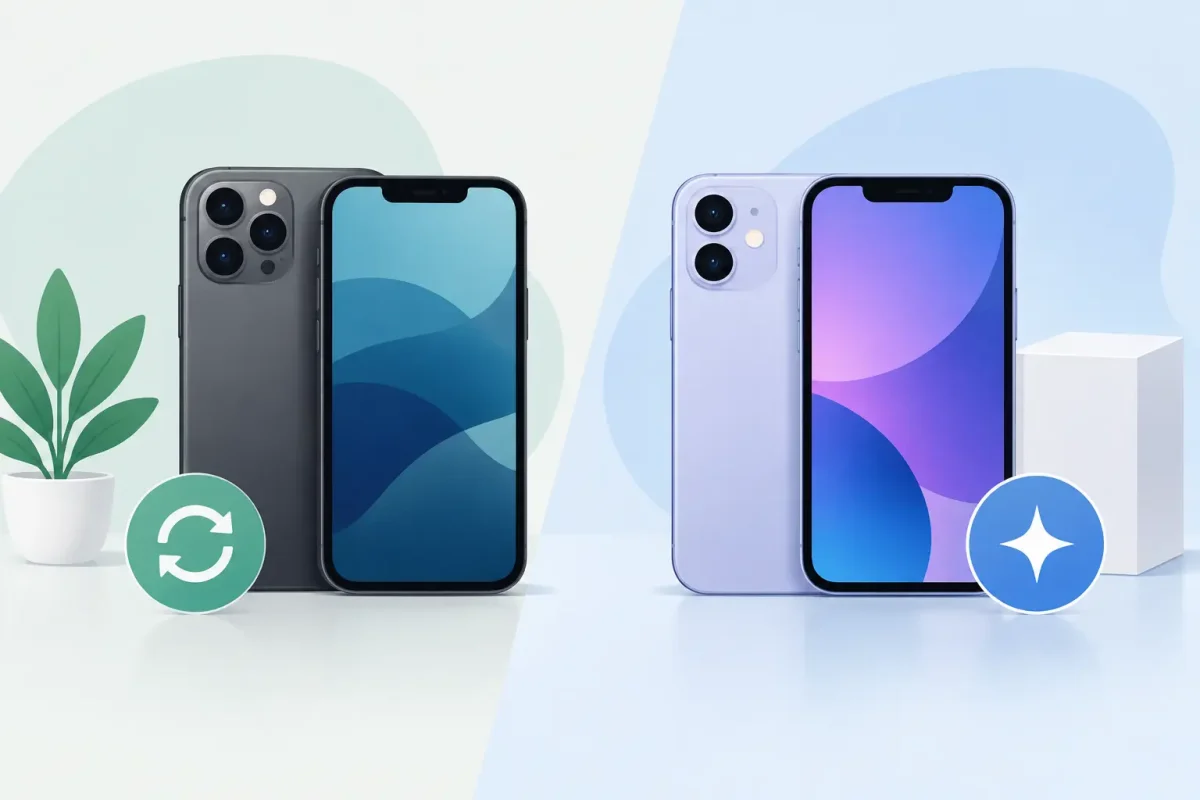
Your phone is the alarm clock, work tool, camera, wallet, and family connection you carry everywhere. When it is time to replace it, choosing refurbished versus new smartphones can change what you spend by hundreds of dollars – and how long you can comfortably keep the device.
A new phone brings the simplest buying experience: unopened packaging, current hardware, and a full manufacturer warranty. A refurbished phone can offer much more value, especially when you want a premium Apple, Samsung, Google Pixel, or other Android model without the premium price. The better choice depends on your priorities, not just the sticker price.
Refurbished Versus New Smartphones: The Real Difference
A new smartphone has never been sold to an end user. It arrives in original condition, usually with the newest processor, cameras, software features, and a manufacturer warranty. You know exactly what you are getting, and you are likely to receive the longest possible period of software support.
A refurbished smartphone is a pre-owned device that has been inspected, tested, cleaned, and prepared for resale. Depending on the seller, that process may include replacing a weak battery, damaged screen, charging port, housing, or other faulty component. A properly refurbished phone should be fully functional, but it may show light cosmetic wear unless it is specifically listed as being in excellent or like-new condition.
The word “refurbished” is not automatically a quality guarantee. One seller may simply erase a phone and confirm that it powers on. Another may run diagnostics, test cameras and speakers, check biometric features, inspect charging performance, replace failed parts, and stand behind the device with a warranty. That difference matters far more than a label on a product page.
Refurbished is not always the same as used
A used phone may be sold as-is by an individual or reseller, often without repair work, testing standards, or meaningful return protection. It can be a good deal, but the buyer takes on more risk. Refurbished is generally the safer category when you want savings without gambling on a phone with a hidden problem.
Before you buy, ask what refurbishment actually includes. Clear answers about condition, functional testing, warranty coverage, and return options are a good sign. Vague descriptions are not.
When a New Phone Is Worth the Higher Price
Buying new makes the most sense when having the latest features will make a practical difference in your daily life. If you depend on your phone for demanding work apps, frequent content creation, mobile gaming, or professional-quality photos and video, the newest hardware may be worth paying for.
New phones also have an advantage in longevity. A current model usually has more remaining years of operating-system and security updates than a device released several generations ago. That matters for banking apps, workplace security requirements, and future compatibility with accessories and wireless networks.
Battery life is another reason some shoppers choose new. A factory-new battery starts at full design capacity, while battery health on a refurbished phone can vary. A quality refurbisher should disclose battery standards or replace batteries that fall below an acceptable level. Still, if you need the strongest all-day battery performance and do not want to think about it, new offers more certainty.
There is also peace of mind in being the first owner. You get a clean warranty path through the manufacturer and can select the exact storage size, color, and configuration you want. For a person who keeps a phone four to six years, buying the newest model can be a sensible long-term investment.
Where Refurbished Phones Deliver Better Value
Refurbished phones are especially compelling when you want a capable device now without taking on a large monthly payment. Flagship phones often lose a significant portion of their price after the first year, even though their processors, cameras, displays, and wireless performance remain excellent.
For many families, students, commuters, and first-time phone owners, a refurbished device turns a midrange budget into a higher-quality phone. You may be able to choose more storage, a better camera system, or a larger display than you could afford new. That can be more useful than having the newest model number.
Refurbished phones are also a practical backup option. If your main phone is being repaired, an affordable refurbished device can keep you connected to work, school, navigation, and two-factor authentication. It is often a smarter temporary solution than buying a cheap new phone that you will not want to use afterward.
Choosing refurbished can reduce electronic waste as well. Extending the life of a working device keeps usable electronics in service instead of sending them into a drawer or disposal stream. The savings may be your main reason to buy, but the reduced waste is a meaningful benefit.
What to Check Before You Buy a Refurbished Phone
A refurbished phone should not leave you guessing about basic functions. Review the condition grade carefully, then make sure the seller explains what that grade means. “Good” may allow visible scratches, while “excellent” may mean only minor signs of use. Cosmetic wear is not necessarily a problem, but it should match the price.
Battery information deserves special attention. Look for a stated battery-health standard, battery replacement policy, or warranty that covers a battery that fails unusually quickly. Battery replacement is a common and straightforward repair, but it is better to know the condition before purchase than to discover poor runtime in the first week.
Confirm that the phone is unlocked if you plan to choose or change carriers. A carrier-locked phone may cost less but can limit your options. Check compatibility with your carrier, especially if you are buying an older model or moving between iPhone and Android.
You also want confirmation that the device has a clean IMEI or serial number and is not reported lost, stolen, or tied to another person’s account. On iPhones, Activation Lock must be removed. On Android phones, Factory Reset Protection should be cleared. A phone that cannot be activated is not a bargain.
Finally, look at the warranty and return window. A short warranty is still better than none, but it should give you enough time to test calls, Wi-Fi, Bluetooth, cameras, microphones, speakers, charging, facial recognition or fingerprint sensors, and buttons. Those tests catch problems that a quick inspection can miss.
Do Not Ignore Repairability and Ownership Costs
The purchase price is only one part of phone ownership. A new phone can be expensive to repair if you crack its display or damage the back glass soon after buying it. A refurbished model may cost less upfront, but it can need a battery or screen replacement sooner if it is an older device.
That does not mean you should avoid an older phone. It means you should choose with repair costs in mind. A two- or three-year-old flagship with a healthy battery and readily available parts can be a strong value. A much older device with limited software support, worn battery capacity, or difficult-to-source parts may become frustrating even if the initial price is low.
If you already own a phone with a cracked screen, dead battery, or charging problem, compare the cost of repair with the price of replacement. Many issues that feel like the end of a phone – including a damaged display, failing battery, worn charging port, or broken camera – can be repaired for far less than buying another device. Repair can also give you more time to wait for the right upgrade rather than making a rushed purchase.
Which Choice Fits Your Situation?
Choose new when you want the longest software support, newest camera and performance features, maximum battery certainty, and a full manufacturer warranty. It is the straightforward choice for heavy users and people planning to keep the same phone for years.
Choose refurbished when price matters, you are comfortable with a recent rather than brand-new model, and you can buy from a seller that explains its testing and warranty process. It is often the better value for a family phone, student device, replacement after a loss, or an upgrade from an aging model.
The best purchase is not always the newest phone or the cheapest one. It is the phone that meets your needs, works reliably on your carrier, and leaves room in your budget for the case, screen protector, and repairs that help it last. If you are weighing a repair against replacement in the Charlotte area, Device Doctor can help you understand the condition of your current device before you decide.