9 Laptop Repair Signs You Shouldn’t Ignore
September 10, 2026
What Right to Repair Means for Your Devices
September 12, 2026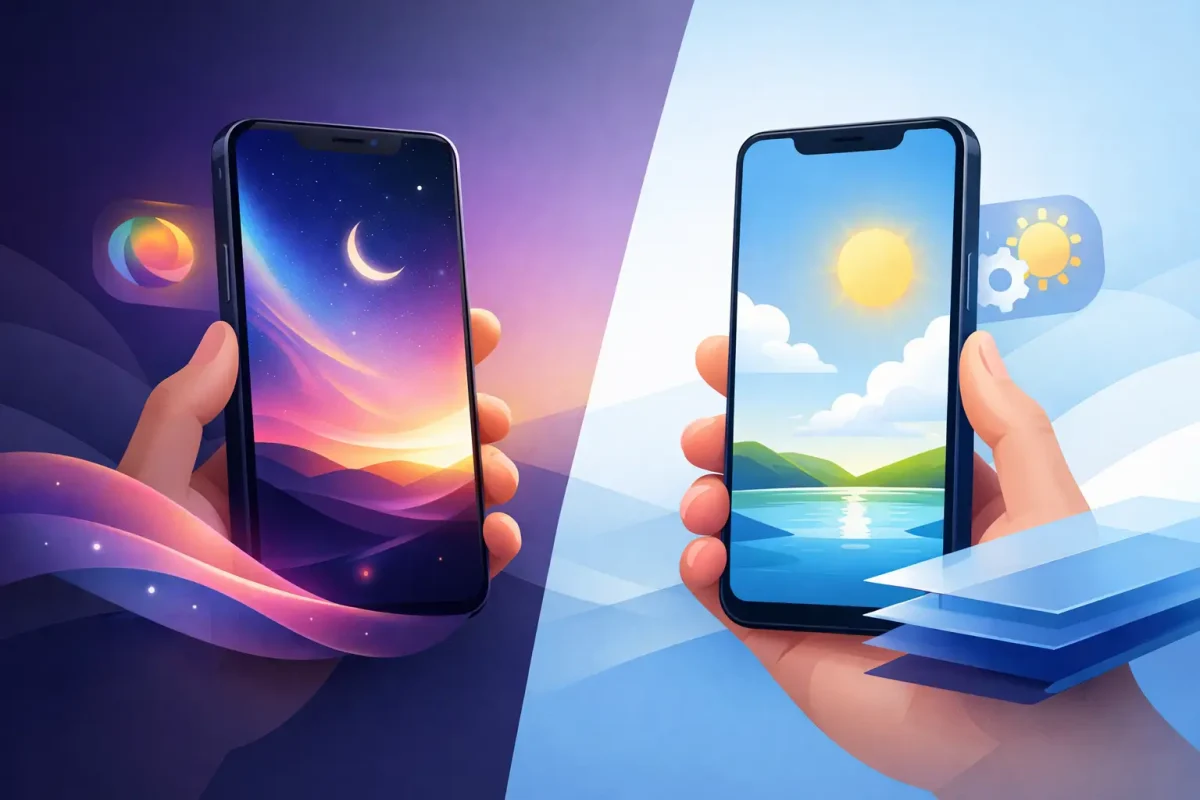
A cracked phone screen is frustrating enough without trying to decode display technology at the repair counter. When comparing OLED versus LCD phone screens, the right choice comes down to more than which display looks better in a store. Your phone model, how you use it, your sensitivity to brightness, and the cost of repair all matter.
OLED and LCD are both proven display technologies. Neither is automatically the better choice for every person or every repair. Knowing the practical differences can help you choose a new phone, understand a repair estimate, and decide whether fixing your current device makes sense.
OLED Versus LCD Phone Screens: The Core Difference
An LCD, or liquid crystal display, uses a backlight behind the screen. The liquid crystals control how that light passes through colored pixels to create the image you see. Since the backlight stays on whenever the display is active, LCDs cannot produce a completely black pixel. Dark areas can look more like very dark gray, especially in a dark room.
An OLED display works differently. Each pixel creates its own light. When a pixel needs to display black, it simply turns off. That gives OLED screens their deep blacks, high contrast, and rich-looking colors. It also allows many phones to use slimmer display assemblies and always-on display features.
The technology inside the phone is only part of the story. The glass on top can crack on either type of screen, and a hard drop can damage the display panel, touch layer, frame, or internal connections. A phone with unbroken glass can still need a screen repair if it has lines, black blotches, flickering, or a display that no longer responds to touch.
What You Notice in Everyday Use
Color, contrast, and video
OLED screens usually look more dramatic. Black backgrounds are truly black, colors can appear more vivid, and movies or games often have stronger contrast. This is one reason OLED is common on premium iPhones, Samsung Galaxy models, Google Pixel phones, and other flagship devices.
LCD screens can still look sharp and colorful. Many people prefer their more neutral appearance, particularly for reading documents, scrolling social media, or handling work tasks all day. The difference is easiest to spot when viewing dark photos, watching video, or using a phone at night.
Keep in mind that phone makers tune displays differently. A well-calibrated LCD can look excellent, while an OLED set to an extra-vivid color mode may look less natural than intended. Display quality is not determined by OLED or LCD alone.
Battery life
OLED can use less power when showing lots of black or dark content because those pixels are off. Dark mode, black wallpapers, and apps with dark interfaces can make a noticeable difference on some devices.
That advantage is not guaranteed. Bright white screens, outdoor use at high brightness, video streaming, and high refresh rates can increase OLED power use. LCD screens use a backlight across the full panel, so their energy use is generally less affected by whether the screen content is dark or light. Battery condition, screen brightness, and app activity usually have a bigger impact on daily battery life than display type alone.
Outdoor visibility and comfort
Both display types can be easy to see outside when the phone has enough brightness. Newer OLED phones often reach very high peak brightness, which helps in direct North Carolina sun. Older OLED panels may dim as they age, and any screen can be difficult to read if brightness settings or a damaged sensor are causing problems.
Some OLED phones use a brightness-control method called PWM, or pulse-width modulation. A small number of users are sensitive to the rapid flickering this can create at lower brightness levels, even when they cannot see it. If a phone gives you headaches or eye strain, switching display settings may help, but an LCD-based phone may be more comfortable for some people.
Durability, Aging, and Common Screen Problems
OLED displays have an impressive image quality trade-off: their individual pixels age over time. If the same bright icons, keyboard areas, or navigation buttons stay on screen for long periods, faint image retention or burn-in can eventually occur. Modern phones include software features that reduce the risk, and normal use does not guarantee burn-in. Still, it is something to consider for people who keep a phone for years or run the same app interface for long shifts.
LCDs do not experience OLED-style burn-in in the same way, but they can develop their own problems. Pressure damage can cause dark spots, bright patches, color distortion, or light bleed around the edges. Backlight failures may leave a screen very dim even though the phone is still running.
Neither technology makes the outer glass shatterproof. Most cracked screens happen because of the impact angle, drop height, case protection, and whether the phone landed on a hard surface. A quality case and tempered-glass protector can reduce the risk of damage, but they cannot prevent every broken screen.
Repair Cost: Why OLED and LCD Prices Differ
Screen repair pricing depends on the exact device, not just whether it has OLED or LCD. In general, OLED screen assemblies are more expensive because the panel technology costs more and many premium phones use curved edges, high refresh rates, fingerprint sensors beneath the display, or complex frame designs.
An LCD repair is often less expensive, especially on older phones and many budget Android models. But a lower price does not mean the repair is simple. The screen assembly may include the touch digitizer, front frame, earpiece mesh, proximity sensor components, or other parts that need careful transfer and testing.
For an accurate estimate, a technician needs the phone’s make and model and a look at the damage. A display with a single crack may have different repair needs than one with black ink-like spots, green lines, touch failure, or a bent frame. If the frame is warped after a hard drop, replacing only the screen may not provide a dependable result.
At Device Doctor, certified technicians can inspect the damage and explain the practical options before work begins. That means clear guidance on screen quality, expected repair cost, and whether another issue – such as a weak battery, damaged charging port, or bent housing – should be addressed at the same time.
Which Screen Type Is Right for You?
Choose an OLED phone if you care most about high-contrast video, deep blacks, premium display quality, and dark-mode battery savings. It is a strong fit for people who watch a lot of content, play mobile games, or want an always-on display. Just plan for potentially higher screen repair costs if an accident happens.
Choose an LCD phone if you want a dependable display that is often more affordable to replace, prefer a more traditional screen appearance, or have found OLED brightness bothers your eyes. LCD remains a practical choice for students, families, work phones, and anyone who wants good everyday performance without paying flagship prices.
If you are buying a refurbished phone, inspect the screen carefully regardless of its technology. Check for dead pixels, uneven brightness, image retention, touch issues, discoloration, and cracks around the edges. Test the display at low and high brightness, and open a white screen and a black screen to make problems easier to spot.
When a Screen Replacement Is Worth It
A screen replacement is usually worth considering when the phone is otherwise reliable, holds a charge, receives the software support you need, and meets your daily needs. Replacing a damaged display can cost far less than replacing a newer phone outright, especially when the problem is limited to the screen assembly.
Do not wait too long if broken glass is exposing sharp edges, touch is becoming unreliable, or dark spots are spreading. OLED damage often expands after an impact because the panel beneath the glass has been compromised. Back up your phone as soon as possible, since display issues can make it harder to access your photos, messages, authentication apps, and work information.
The best screen is the one that works clearly, reliably, and within your budget. Whether your phone uses OLED or LCD, a professional diagnosis turns a confusing display problem into a straightforward repair decision.