How to Fix Phone Ghost Touches Without Guessing
September 19, 2026
How to Calibrate Tablet Battery Readings
September 21, 2026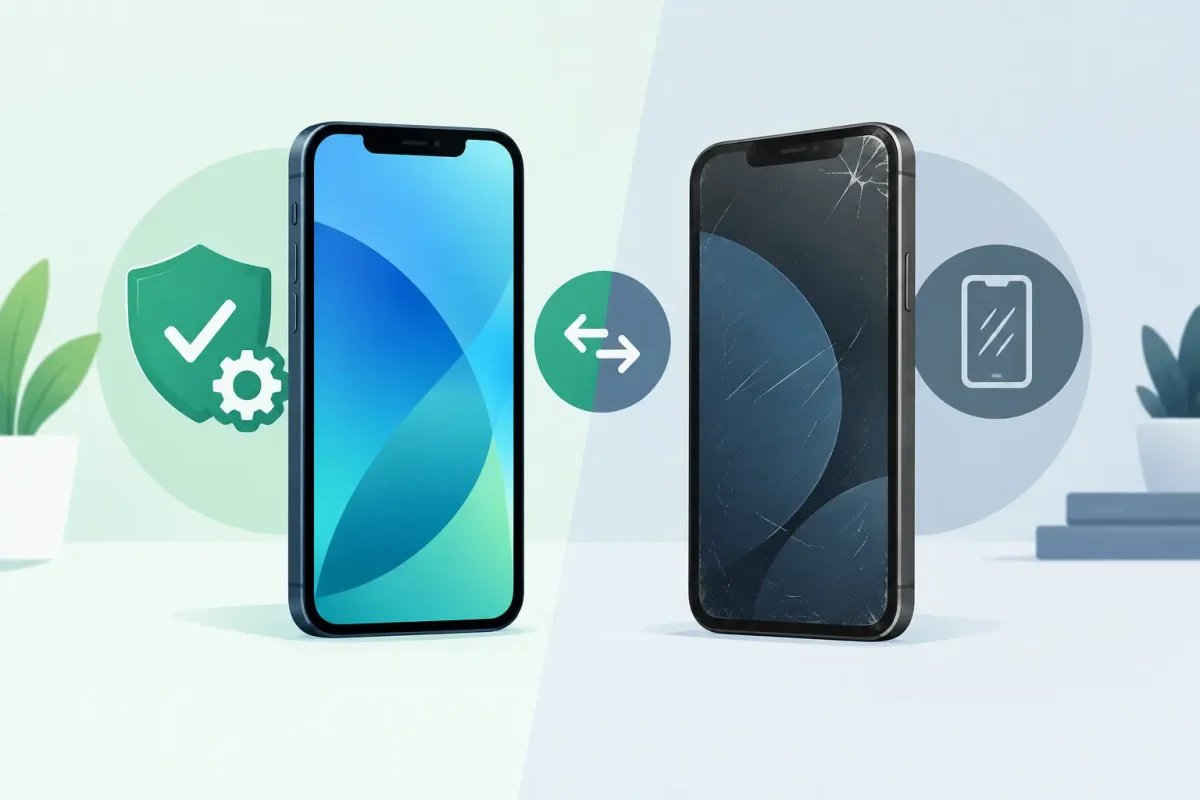
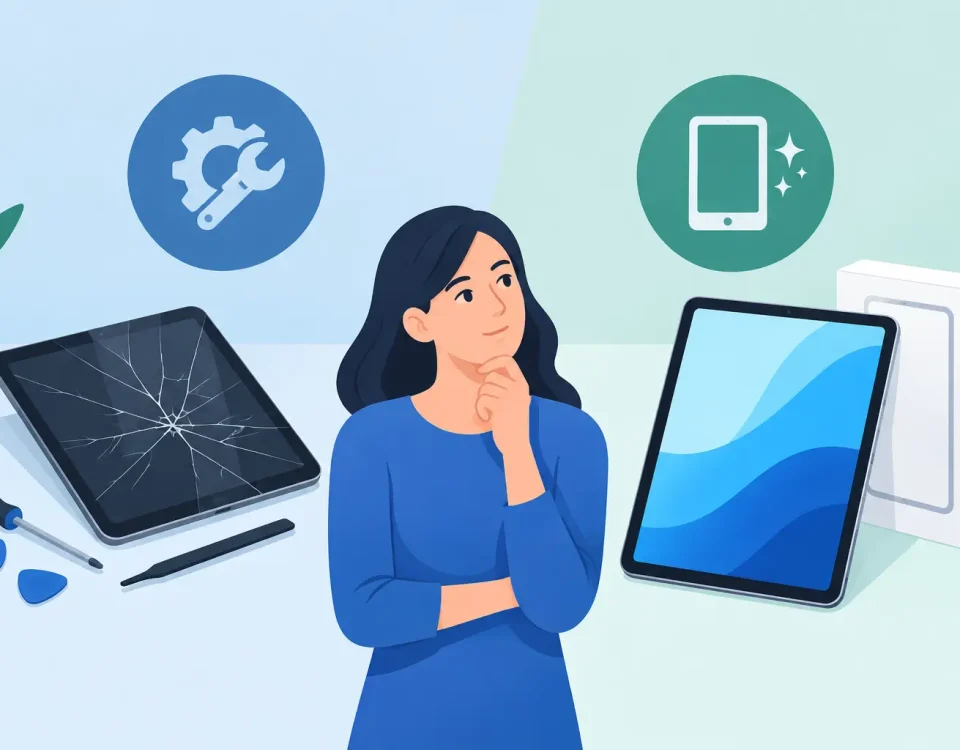
A lower price tag can make any phone, laptop, tablet, or game console look like a great deal. But refurbished versus used device quality can be very different, even when two devices are the same model, color, and storage size. The key question is not simply whether a device was owned before. It is what happened to it before it reached the shelf.
A well-refurbished device can be a dependable, budget-friendly choice for a student, family, commuter, or gamer. A used device can also be a smart purchase, but it requires more careful inspection because its condition may depend entirely on the previous owner. Knowing what to ask before you buy helps you avoid a phone with a weak battery, a laptop with hidden damage, or a console that quits after a few weekends of play.
Refurbished Versus Used Device Quality: The Main Difference
A used device is generally sold in its current condition. It may have been tested, cleaned, and reset, but that is not guaranteed. One used iPhone may have spent a year in a protective case and work nearly perfectly. Another may have been dropped, exposed to moisture, repaired with unknown parts, or charged with a damaged cable that stressed the charging port.
A refurbished device has gone through a defined process before resale. That process should include inspection, functional testing, cleaning, data removal, and repair or replacement of components that do not meet the seller’s standards. The details matter. “Refurbished” is not a single industry-wide condition level, so buyers should ask what the refurbishing process actually includes.
For most people, the advantage of refurbished versus used device quality is consistency. You are not relying only on the previous owner’s description. A qualified technician has evaluated the device and addressed known issues before it is sold.
What a Proper Refurbishment Process Should Cover
A quality refurbishment is more than wiping fingerprints off the screen and putting the device in a new box. The seller should check the features you rely on every day.
For a smartphone or tablet, that means testing the display, touchscreen response, cameras, speakers, microphones, buttons, Wi-Fi, Bluetooth, cellular connection, charging port, and battery performance. On an iPhone, features such as Face ID and True Tone should be checked when applicable. On an Android device, the technician should verify fingerprint sensors, face unlock, USB-C charging, and the specific functions built into that model.
For laptops and desktops, the inspection should include the screen, keyboard, trackpad or mouse input, battery, charging system, ports, webcam, speakers, storage drive, memory, Wi-Fi, and operating system. A device that powers on is not automatically ready for work or school. It needs to hold a charge, connect reliably, and handle normal use without overheating, crashing, or shutting down.
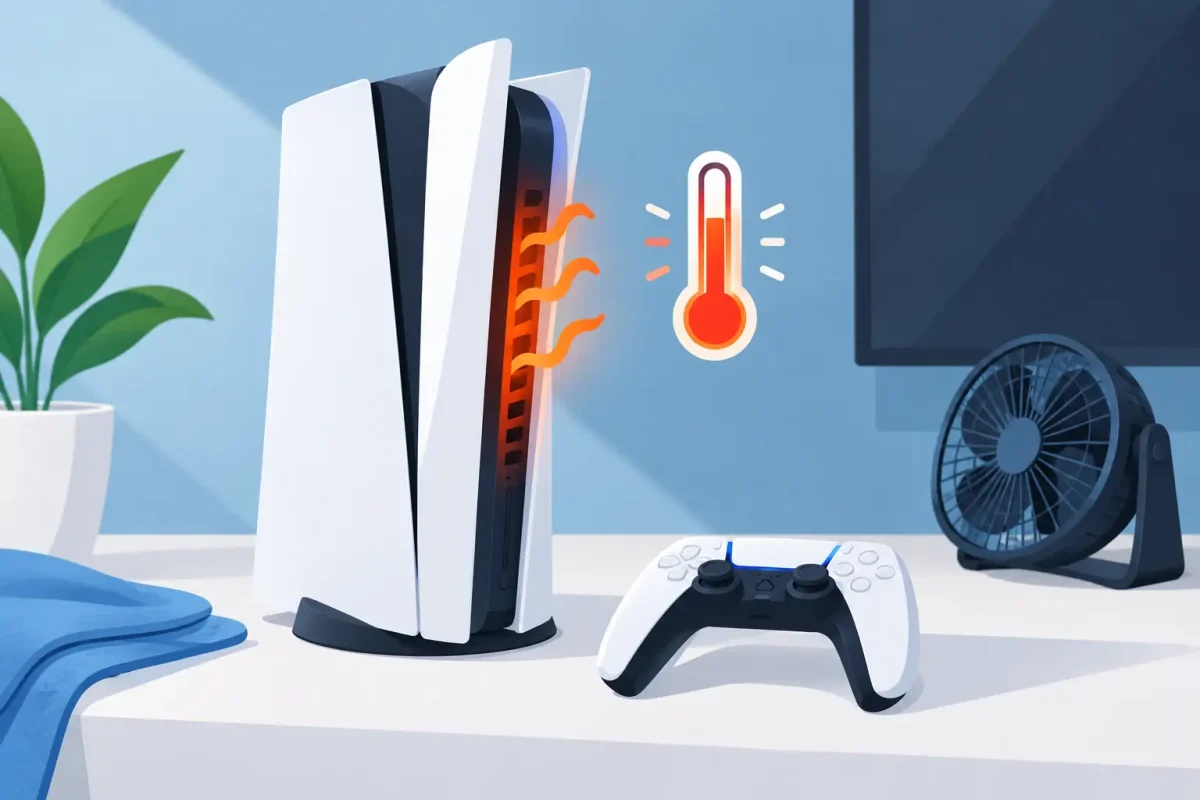
Game consoles need their own checks. Controllers, disc drives, HDMI output, Wi-Fi, cooling fans, storage, charging ports, and game performance all matter. A console with a clean exterior can still have an overheating problem or a worn HDMI port that causes intermittent video loss.
Condition Grades Matter, but Details Matter More
Sellers often describe pre-owned devices as excellent, good, fair, or like new. These labels can be helpful, but they are usually cosmetic grades. They tell you whether there may be scratches, scuffs, or small dents. They do not always explain battery health, repair history, part quality, or whether every feature has been tested.
Cosmetic wear is not necessarily a bad sign. A phone with light scratches on the frame may work better than a flawless-looking phone with a worn-out battery. If saving money is the goal, a device with minor exterior wear can offer excellent value when its core functions are in good condition.
Ask whether any repairs were completed and what parts were used. A replacement screen, battery, charging port, or back glass can extend a device’s useful life. But the work should be performed correctly, and replacement parts should meet appropriate quality standards. Poor installation can create new problems, from weak touchscreen response to charging issues or reduced water resistance.
Battery Health Is Often the Deciding Factor
Battery condition has a major effect on the real value of a pre-owned device. A phone may appear to work fine at the counter, then begin losing charge quickly during a workday. A laptop with a weak battery may only run unplugged for a short time, limiting its usefulness for class, travel, or meetings.
Refurbished devices may include a battery test, and some sellers replace batteries that fall below their acceptable standard. Used devices may be sold with the original battery and no clear information about its remaining capacity. That does not mean every used device has a bad battery. It means you should not assume battery condition based on appearance alone.
Before buying, ask how the battery was evaluated. For a phone, ask for the battery health percentage when available. For a laptop, ask whether the battery holds a normal charge and whether the charger is included. If a battery replacement is likely soon, include that cost when comparing prices.
Warranty and Return Terms Change the Value
A warranty does not make a device perfect, but it gives you a clear path if a problem appears after purchase. This is one reason a refurbished device from an established local repair and resale business can be less risky than a private sale.
With a private used-device sale, the transaction is often final. If the phone will not charge the next day, the laptop has an undisclosed account lock, or the console cannot read discs, you may have little recourse. You also need to verify that the device is not activation locked, carrier locked when you need it unlocked, or reported lost or stolen.
A reputable refurbished seller should explain the warranty period, what it covers, and how to get help. Read the terms, but keep the decision simple: choose a seller willing to stand behind the device and answer direct questions before taking your payment.
When a Used Device Makes Sense
Used can be the right choice when the price is significantly lower, you can inspect the device in person, and you understand the risk. It may work especially well for a backup phone, a starter device for a child, a secondary tablet, or a console you want at the lowest possible upfront cost.
The best used-device purchase is transparent. The seller can explain how long they owned it, whether it was repaired, why they are selling it, and what accessories are included. They should allow you to test key functions before you leave.
Check the screen for dead spots and burn-in, plug in a charger, test cameras and speakers, connect to Wi-Fi, and look over the body for signs of swelling, separation, or bent frames. On laptops, test the keyboard and ports. On consoles, confirm that the system boots, connects to a display, and reads games if a disc drive is part of the model.
When Refurbished Is Worth Paying More For
Refurbished is usually the better fit when your device cannot afford to be unreliable. If you need a dependable phone for work, a laptop for school, an iPad for business, or a console that needs to work on game night, the added testing and warranty can justify the price difference.
It is also a practical choice for buyers who do not want to diagnose technical issues themselves. Instead of trying to spot a failing charging port or intermittent camera problem during a quick meetup, you can buy from a seller that has already inspected the device.
At Device Doctor, certified technicians work with the same types of phones, tablets, computers, and consoles customers depend on every day. That repair knowledge matters when evaluating whether a pre-owned device is truly ready for its next owner.
Buy the Device You Can Trust to Use
The better deal is not always the device with the lowest price. Compare the model, storage, cosmetic condition, battery condition, repair history, included accessories, return policy, and warranty. Then consider how much inconvenience a surprise failure would cause you.
A carefully inspected refurbished device often offers more peace of mind. A used device can still be a great value when it is priced fairly and tested thoroughly. Choose the option that fits your budget, but make sure you know exactly what has been checked before you bring it home.