Device Fleet Repairs That Keep Teams Moving
October 4, 2026
Console Restoration Examples That Save Game Night
October 6, 2026
A cracked phone screen is still a cracked phone screen. A laptop that will not charge is still a workday problem. But repair industry trends are changing what happens after a device breaks: more repairs can be completed the same day, more parts can be replaced instead of whole devices, and customers have better reasons to repair before buying new.
For families, students, professionals, and gamers, that shift matters. Your phone holds your schedule and photos. Your computer may hold schoolwork or business files. Your console is how the household relaxes. Fast, dependable repair keeps those everyday tools working without the cost and hassle of an unnecessary replacement.
Repair Industry Trends Point Toward Longer Device Life
Consumer electronics are lasting longer than they once did. A new phone may still look appealing, but many owners are keeping devices for several years when a battery, charging port, screen, or camera can be repaired at a reasonable price. The same goes for laptops, tablets, Macs, PCs, and game consoles.
This is not just about saving money, although that is a major factor. People have more data, accounts, settings, apps, and accessories tied to their devices than ever before. Replacing a device can mean transferring information, setting up security again, finding compatible accessories, and learning a new model. Repair is often the simpler path when the rest of the device is in good condition.
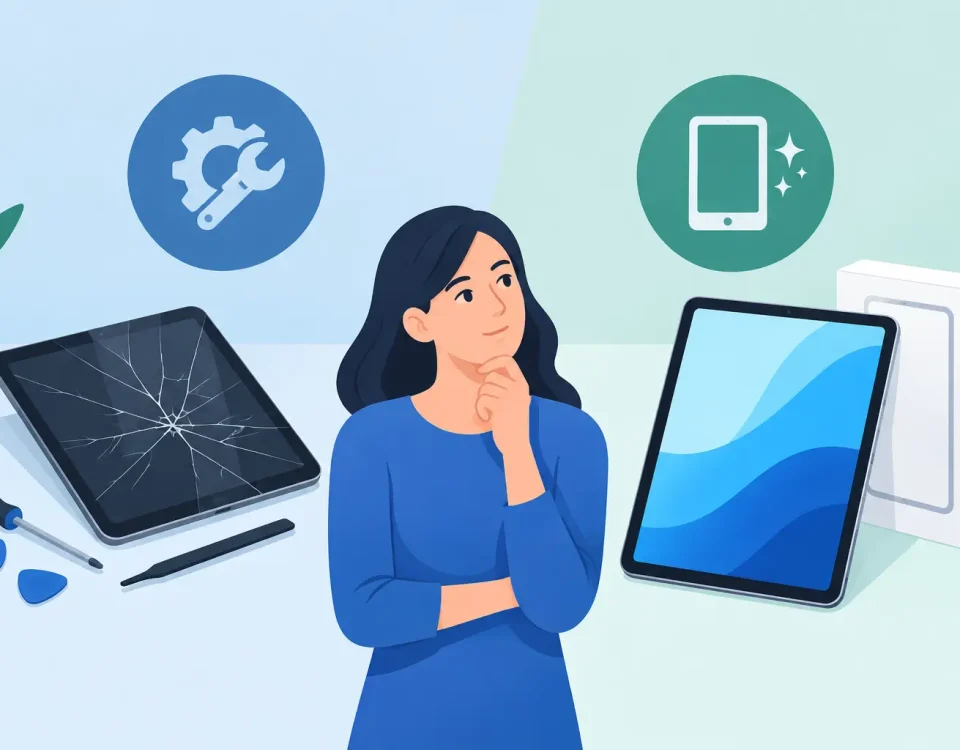
The best choice depends on the issue. A phone with a cracked screen and normal performance is usually a strong repair candidate. A laptop with a failing battery may have years of useful life left. On the other hand, an older device with several major problems, limited software support, and expensive damage may be better replaced. A professional diagnostic helps separate a practical repair from money spent chasing recurring problems.
Faster Turnaround Is Becoming the Expectation
People no longer view a broken device as something they can set aside for weeks. They need it for navigation, two-factor authentication, work messages, school portals, banking, and communication. That urgency is pushing the repair industry toward quicker diagnostics, common parts availability, and same-day service for many routine issues.
Screen replacement, battery replacement, charging-port repair, and selected back-glass repairs are often completed far faster than customers expect when the part is available and the device has no hidden damage. The key word is often. Water damage, board-level faults, unusual models, and damage affecting multiple components can require additional testing and more time.
A trustworthy repair shop should explain that difference clearly. Fast service is valuable, but guessing is not. A technician should inspect the device, identify the likely problem, discuss the repair path and price, and let you know if anything changes during the work. Speed without communication creates surprises. Speed with clear diagnostics creates confidence.
Better Diagnostics Are Reducing Guesswork
Not every device problem has an obvious cause. A phone that will not charge may need a charging-port repair, but it could also have a worn battery, debris in the port, a damaged cable, software trouble, or liquid-related corrosion. A laptop that will not turn on may have a battery issue, a display problem, a failed charging system, or a deeper internal fault.
One of the most useful repair industry trends is a stronger focus on diagnostics before parts are replaced. Modern devices are compact, layered, and built with tightly connected components. Replacing the wrong part wastes time and money. Proper testing helps technicians target the actual issue and recommend only the work that makes sense.
This is especially valuable after water exposure. A device that appears normal immediately after getting wet can develop issues later as moisture and corrosion affect internal connections. Quick professional assessment gives the device a better chance, but no shop should promise a result before checking the extent of the damage. Honest diagnostics are part of quality service.
Software Problems Are Now Part of the Repair Conversation
Physical damage gets attention because it is easy to see. Software problems can be just as disruptive. Freezing apps, storage warnings, update failures, account lockouts, boot loops, and unexpected shutdowns may not require a replacement part at all.
More customers are seeking help with software troubleshooting because phones and computers have become more central to daily life. A skilled technician can help determine whether a software reset, update, backup, cleanup, or deeper hardware repair is the right next step. The goal is not to make the problem sound complicated. It is to get the device working again while protecting your data whenever possible.
Repair Is Expanding Beyond Phones
Smartphone screen repair remains a familiar service, but the repair market is increasingly multi-device. Households depend on tablets for school and streaming, laptops for remote work, desktops for home offices, and consoles for entertainment. When one device fails, it can disrupt more than one person.
That is why broad technical coverage matters. A shop that can work on Apple devices, Android phones, Windows laptops, Macs, tablets, and gaming systems gives customers one dependable place to start. It also helps when the problem is hard to describe. “My iPad will not charge” and “my Xbox keeps overheating” are enough to begin a useful conversation.
Gaming console repair is a good example of how expectations have changed. Players often want help with HDMI port damage, overheating, power issues, controller connection problems, or storage concerns instead of replacing an entire system. A console repair may be worthwhile when the problem is isolated, especially when replacement hardware is expensive or difficult to find.
Quality Parts and Skilled Work Matter More Than Ever
As devices become more sophisticated, repair quality cannot be judged by price alone. A very low quote may leave out important details: the quality of the replacement part, the experience of the technician, warranty coverage, or whether the repair includes testing after installation.
A good repair should restore normal, everyday use. That includes checking display response, charging function, cameras, speakers, buttons, biometrics when applicable, and overall performance. Some repairs also require realistic expectations. A damaged phone may have lost water resistance after impact, for example, and certain highly integrated features can be affected by severe damage or prior repair history.
The right shop will be direct about those trade-offs instead of hiding them behind technical language. Customers deserve to know what is being repaired, what it costs, what is covered, and whether repair is the smart financial decision.
Data Privacy Is Part of Trust
Devices contain personal photos, messages, financial apps, school files, and workplace information. Repair customers increasingly expect technicians to treat privacy with care. You may need to provide a passcode for testing, depending on the repair, but a professional shop should explain why access is needed and use it only as necessary to confirm the device works properly.
Before any repair, back up your device if you can. If it will not power on or the screen is unusable, tell the technician that your data is a priority. Repairs are often designed to preserve information, but no electronic repair can guarantee data recovery in every situation, especially after severe water damage or internal failure.
Sustainability Is a Practical Reason to Repair
Repair is becoming more appealing as people recognize the amount of value left in a device with one broken component. Replacing a battery, screen, camera, or charging port can keep a phone in use and reduce the need to buy something new right away. Selling or trading in a working older device also gives it a chance to serve another owner.
For most customers, sustainability is not the only reason to repair. The immediate benefits are simpler: lower cost, less setup, and less interruption. Still, extending the life of electronics is a practical choice that can also reduce unnecessary waste.
What These Trends Mean When Your Device Breaks
The biggest change is that you have more options than “live with it” or “buy a new one.” Start with a clear description of the problem: when it began, whether the device was dropped or exposed to water, and what has already been tried. Bring the device in for a diagnostic before ordering parts or attempting a risky do-it-yourself fix.
For Charlotte-area customers, Device Doctor can assess phones, tablets, computers, and game consoles with straightforward answers, certified technicians, and no hidden-fee surprises. Whether the issue is a dead battery, cracked screen, damaged camera, or device that simply will not charge, a timely repair can get your routine back on track.
Your device does not need to be perfect to be worth fixing. It just needs a repair that makes sense for how you use it, what it is worth, and how quickly you need it back.